FUE Hair Transplant: A Simple, Friendly Guide to Fuller, Natural-Looking Hair
FUE hair transplant is a modern solution for hair loss that has gained immense popularity. This technique involves extracting individual hair follicles from a donor area and transplanting them into thinning or balding spots, providing a natural appearance. In this guide, we’ll cover the essentials of FUE Hair Transplant, helping you understand its process, benefits, and how it compares to other methods.
What is FUE Hair Transplant?
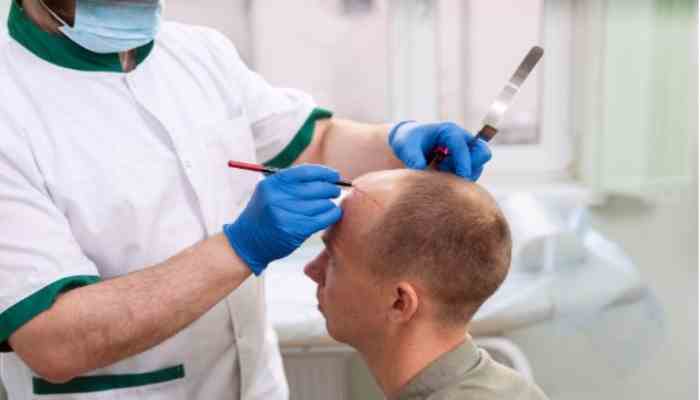
FUE, or Follicular Unit Extraction, is a minimally invasive hair transplant procedure. It involves using a specialized tool to extract single hair follicles from the donor area, ensuring minimal scarring and quicker recovery compared to traditional methods. Unlike the FUT technique—Follicular Unit Transplantation—which removes a strip of skin leading to a linear scar, FUE provides a less noticeable aesthetic outcome. The choice between FUE and FUT often depends on individual preferences, hair loss patterns, and desired results. Understanding these differences helps patients make informed decisions regarding their hair restoration journey.
FUE vs. FUT
When comparing FUE and FUT, several factors come into play. FUE is generally favored for its minimal invasiveness and quick healing time, allowing patients to return to normal activities sooner. On the other hand, FUT can be more suitable for individuals requiring a larger number of grafts at once. Each method has its pros and cons, and consulting with a specialist can provide clarity on which technique aligns best with your specific needs.
Benefits of FUE Hair Transplant
Choosing FUE hair transplant comes with numerous advantages. Firstly, the technique results in minimal scarring, creating a cleaner look that permits patients to wear shorter hairstyles without worry. Additionally, the recovery time after FUE is considerably shorter than that of FUT, as most of the tissue remains intact. Real-world success stories abound, showcasing the remarkable effectiveness of FUE in restoring confidence and providing a fuller head of hair. Ultimately, FUE presents a viable option for anyone seeking a natural and lasting solution for hair loss.
The FUE Procedure: Step-by-Step
The FUE (Follicular Unit Extraction) procedure is a detailed, multi-step process. Initially, preparation for your FUE hair transplant includes a thorough consultation, blood tests, and lifestyle recommendations to ensure the best results. Patients might be advised to stop certain medications and avoid alcohol before the process begins. Once you’re prepared, the actual surgery involves harvesting hair follicles using specialized tools. The follicles are carefully extracted and then implanted into thinning or balding areas of the scalp. Local anesthesia is used to ensure comfort during the procedure. Graft placement is meticulously done to achieve a natural look, making this method a popular choice for many seeking hair restoration.
Preparing for Your FUE Hair Transplant
Before the FUE procedure, specific preparations are necessary. It’s essential to consult with your doctor about what to expect, ensuring peace of mind. Recommended lifestyle changes may include increasing water intake and a healthy diet to promote hair health. Patients should maintain an optimal level of vitamins, especially B-complex, which aids in healing and growth. Knowing these preparations can significantly enhance the hair transplant experience and its outcome.
The Surgery Process
During the surgery, the focus is on safe and efficient extraction and implantation of hair follicles. Utilizing local anesthesia minimizes discomfort, allowing the procedure to be performed with precision. A trained specialist will ensure that each graft is placed in an optimal direction for natural growth, making it a cornerstone of FUE success.
Recovery After FUE Hair Transplant
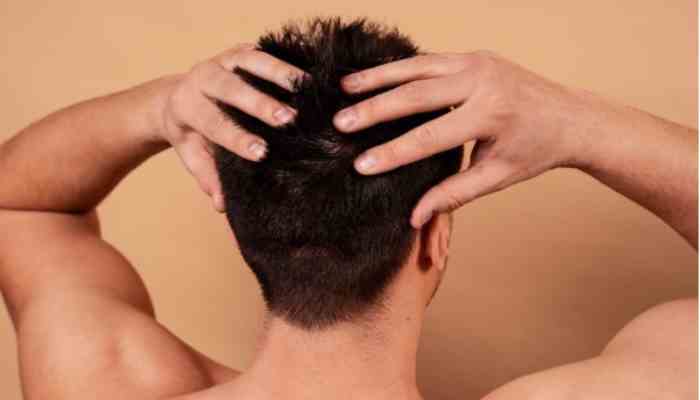
Post-surgery recovery is a crucial phase in the FUE process. Patients can expect some swelling and mild discomfort, which typically subsides within a few days. To facilitate healing, it’s beneficial to follow the doctor’s care instructions, which may include topical treatments and avoiding strenuous activities for a while. Proper aftercare is essential to prevent infection and ensure the transplanted hair follicles thrive. Regular follow-ups with your surgeon will help in tracking progress, ensuring that anyone undergoing FUE attains the best possible results from their hair restoration journey.
Costs Associated with FUE Hair Transplant
When considering an FUE (Follicular Unit Extraction) hair transplant, understanding the associated costs is essential. The price tag for an FUE procedure can vary significantly based on several factors. Typically, the costs may range from $4,000 to $15,000, influenced by the clinic’s reputation, the surgeon’s experience, and the number of grafts required. Additional factors might include geographic location, the complexity of the procedure, and any pre/post-operative care. Budgeting effectively for an FUE hair transplant involves knowing these elements, ensuring you’re prepared for the financial commitment of restoring your hair.
Before and After: FUE Hair Transplant Photos
Witnessing the transformative impact of FUE through before and after photos can be incredibly enlightening. Many clinics showcase real patient results, emphasizing how natural and effective this procedure can be. Testimonials from individuals highlight their journey, expressing feelings of renewed confidence and self-esteem. These visuals serve not just as proof of efficacy but also as motivation for potential candidates contemplating FUE. They reassure individuals that a successful hair restoration journey is within reach, providing clear evidence of the procedure’s effectiveness.
Choosing the Right Surgeon for FUE
Selecting the right surgeon for your FUE hair transplant is a critical step in ensuring optimal outcomes. Look for surgeons with extensive experience and a solid track record in the field. Ask about previous procedures and view client testimonials. Important questions to consider during consultations include inquiries about the surgical technique, expected downtime, and post-operative care. An experienced surgeon will not only answer your questions but also make you feel at ease through the process. Choosing the right specialist is fundamental to the success of your FUE hair transplant, affecting both the procedure and your results in the long run.
What to Keep in Mind Before Your FUE Adventure
FUE hair transplant stands out as a minimally invasive, effective solution for hair restoration, offering significant advantages over traditional methods. Its key benefits include minimal scarring, a quicker recovery time, and the ability to wear shorter hairstyles without concern. Ideal candidates are those over 25 with a stable hair loss pattern and sufficient donor hair. The procedure, although time-consuming, provides natural results with careful graft placement, crucial for achieving a successful outcome. While costs range from $4,000 to $15,000, influenced by various factors, FUE’s transformative potential is documented through testimonials and before-and-after photos. Selecting the right surgeon is vital, ensuring personalized care and optimal results. Empower your decision by consulting with experienced professionals and exploring credible resources.